MDA
PsicodélicosC61-(1,3-benzodioxol-5-yl)propan-2-amine
Efectos
Farmacocinética
Vida media plasmática de 8-12 horas
1-2 horas
6-10 horas
30-60 minutos (oral)
Oral: ~70-80%
Hígado
Renal
Absorción oral rápida. Volumen de distribución estimado de 5-7 L/kg. Metabolismo hepático extenso vía CYP2D6. Alta biodisponibilidad oral.
Cronología farmacocinética
Mecanismo de acción
Promueve la liberación de serotonina, dopamina y noradrenalina a través de los transportadores de monoaminas (SERT, DAT, NET). También es agonista del receptor TAAR1. A diferencia del MDMA, tiene mayor actividad serotoninérgica 5-HT2A directa, lo que le confiere propiedades más psicodélicas. Inhibe la recaptación de monoaminas de forma similar a las anfetaminas.
Vida media
Vida media plasmática de 8-12 horas. Metabolismo hepático extenso vía CYP2D6.
Toxicidad
Drogas de diseño del tipo anfetamina (p. ej., ... MDA) ... han ganado popularidad y notoriedad como drogas de rave. ... Una variedad de efectos adversos se han asociado con el uso/abuso de esta clase de drogas en humanos, incluyendo un síndrome serotoninérgico potencialmente mortal, hepatotoxicidad, neurotoxicidad y psicopatología. Se determinó la letalidad tanto en ratones aislados como agregados para dosis graduadas ip de d-anfetamina, dl-4-metoxianfetamina (PMA), dl-2,5-dimetoxianfetamina (DMA), dl-2,5-dimetoxi-4-bromoanfetamina (DOB), dl-2,5-dimetoxi-4-metilanfetamina (DOM) y dl-3,4-metilenodioxianfetamina (MDA). Se probaron haloperidol (2.0 mg/kg), propranolol (10 mg/kg) y fenoxibenzamina (30 mg/kg) por su capacidad para antagonizar los efectos letales de la anfetamina y sus derivados. El haloperidol produjo protección considerable contra la letalidad de la anfetamina tanto en ratones aislados como agregados, y la fenoxibenzamina en ratones aislados, pero el propranolol fue inefectivo. No se logró un grado equivalente de protección mediante el uso de ninguno de los tres agentes antes de PMA, DMA o DOB. La protección contra DOM se logró solo con fenoxibenzamina y solo para ratones aislados. La fenoxibenzamina y el propranolol proporcionaron protección extensa contra MDA para cualquier condición de alojamiento. ... Primeros auxilios inmediatos: Asegúrese de que se haya llevado a cabo una descontaminación adecuada. Si el paciente no respira, inicie respiración artificial, preferiblemente con un resucitador de válvula de demanda, dispositivo bolsa-válvula-mascarilla, o mascarilla de bolsillo, según su entrenamiento. Realice RCP si es necesario. Lave inmediatamente los ojos contaminados con agua que fluya suavemente. No induzca el vómito. Si ocurre vómito, incline al paciente hacia adelante o colóquelo sobre el lado izquierdo (posición cabeza abajo, si es posible) para mantener una vía aérea abierta y prevenir la aspiración. Mantenga al paciente tranquilo y mantenga la temperatura corporal normal. Obtenga atención médica. /Venenos A y B/ Tratamiento básico: Establezca una vía aérea permeable (vía aérea orofaríngea o nasofaríngea, si es necesario
Farmacología
Anfetamina psicodélica empatógena con actividad mixta serotoninérgica y dopaminérgica. Produce empatía, euforia, y efectos psicodélicos más pronunciados que el MDMA. Duración de 6-10 horas. Mayor neurotoxicidad serotoninérgica que el MDMA. Precursor del MDMA (se metaboliza parcialmente a MDMA in vivo). Clasificada como sustancia controlada Schedule I.
Estructura molecular
Datos: PubChem CID 1614 — National Library of Medicine
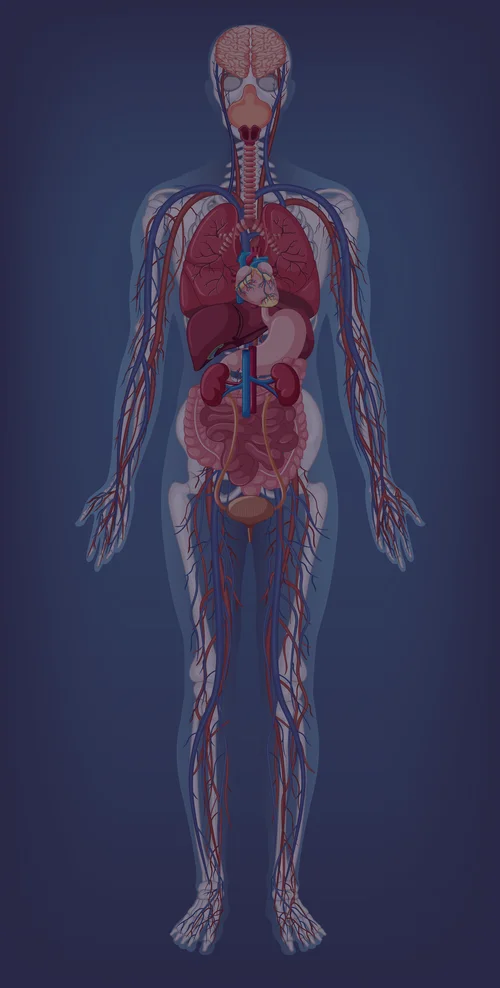
Efectos en el organismo
Rangos registrados y advertencias
Predicción dosis–riesgo retirada
La fórmula anterior combinaba ARES con multiplicadores de dosis sin una curva farmacológica validada y generaba severidad incluso a dosis cero. Esa predicción y sus barras dinámicas ya no se calculan. Esta sección no estima riesgo clínico, no recomienda una dosis y no identifica una cantidad segura.
Tabla descriptiva heredada
Estos valores no tienen trazabilidad primaria verificada por campo en el esquema actual. Las etiquetas proceden del registro histórico: «común» o «ligera» no significan recomendada ni segura. No se han transformado en intervalos de seguridad.
Vía registrada: Oral. No se extrapolan estas cantidades a otras vías.
| Etiqueta histórica | Cantidad registrada |
|---|---|
| Umbral (threshold) | 30 mg |
| Ligera (light) | 60 mg |
| Común (common) | 100 mg |
| Fuerte (strong) | 150 mg |
| Superior (heavy) | 200 mg |
Advertencia conservada del registro
Mas neurotoxica que MDMA. Dosis >200mg aumentan significativamente el riesgo de hipertermia, sindrome serotoninergico y neurotoxicidad severa.
Descripciones generales por sistema
Información estática del registro, pendiente de curación por fuente. No indica qué ocurrirá con una cantidad concreta ni cuantifica la probabilidad o severidad individual. La ausencia de un efecto en esta lista no demuestra ausencia de riesgo.
Cardiovascular
Corto plazo registrado
- Taquicardia
- Hipertensión
- Arritmias cardíacas
- Crisis hipertensiva
Largo plazo registrado
- Daño cardiovascular
- Cardiomiopatía
Neurológico
Corto plazo registrado
- Convulsiones
- Hipertermia
- Síndrome serotoninérgico
Largo plazo registrado
- Neurotoxicidad serotoninérgica permanente
- Daño cognitivo
- Depresión
Hepático
Corto plazo registrado
- Hepatotoxicidad aguda
Largo plazo registrado
- Daño hepático crónico
Renal
Corto plazo registrado
- Insuficiencia renal aguda por hipertermia
Largo plazo registrado
- Daño renal crónico
Psiquiátrico
Corto plazo registrado
- Ansiedad severa
- Ataques de pánico
- Psicosis aguda
- Ideaciones paranoides
Largo plazo registrado
- Depresión mayor
- Trastorno de ansiedad
- Flashbacks
- Psicopatología persistente
Respiratorio
Corto plazo registrado
- Taquipnea
- Depresión respiratoria en sobredosis
Advertencias registradas
- Mayor neurotoxicidad que MDMA
- Síndrome serotoninérgico potencialmente mortal
- Riesgo elevado de hipertermia maligna
- Efectos más intensos y prolongados que MDMA
- Redistribución postmortem significativa
Combinaciones señaladas en el registro
- ISRS/IRSN
- IMAO
- Tramadol
- DXM
- Anfetaminas
- Cocaína
- Alcohol
Modelo ARES calculado: 20 de octubre de 2018
Fuentes de datos de dosificación
Los rangos de dosificación fueron compilados a partir de Goodman & Gilman's (14ª ed.), Rang & Dale (9ª ed.) y publicaciones indexadas en PubMed. Los valores representan promedios poblacionales para la vía de administración principal y no consideran variabilidad individual, tolerancia, peso corporal ni interacciones.