DMT
PsicodélicosC12-(1H-indol-3-yl)-N,N-dimethylethanamine
Efectos
Farmacocinética
Vida media extremadamente corta de 15-20 minutos por vía intravenosa
Fumado: 2-5 minutos; IV: 2-5 minutos; Oral: 1-2 horas
Fumado/IV: 15-30 minutos; Oral (con IMAO): 3-6 horas
Fumado/Vaporizado: 10-15 segundos; Intravenoso: 30-60 segundos; Oral (con IMAO): 30-60 minutos
Fumado/Vaporizado: ~100%; Oral sin IMAO: ~0% (metabolismo rápido por MAO-A); Oral con IMAO: variable
Hígado y pulmones (principalmente por monoamino oxidasa A)
Renal (como metabolitos: ácido indolacético, N-metiltriptamina, DMT-N-óxido)
Se acumula principalmente en tejido cerebral y hígado
Cronología farmacocinética
Mecanismo de acción
Agonista no selectivo de múltiples receptores serotoninérgicos, con mayor afinidad por 5-HT2A, 5-HT2C y 5-HT1A. La activación de 5-HT2A en la corteza prefrontal y visual es el mecanismo principal de sus efectos alucinógenos. También es agonista del receptor sigma-1 y sustrato del transportador de serotonina. Se encuentra endógenamente en el cerebro humano en concentraciones traza.
Vida media
Vida media extremadamente corta de 15-20 minutos por vía intravenosa. Metabolización rápida por MAO-A intestinal y hepática, lo que limita su biodisponibilidad oral a menos del 5% sin un inhibidor de MAO.
Toxicidad
... También se estudiaron los efectos del inhibidor de la monoamino oxidasa fosfato de iproniazida sobre el metabolismo de DMT. La iproniazida inhibió la formación de IAA a partir de DMT en un 83 por ciento. Sin embargo, la formación de NMT y DMT-NO se inhibió en un 90 por ciento bajo estas condiciones. Por lo tanto, la extensión reportada de la vida media y la potenciación de los efectos conductuales de DMT por iproniazida puede deberse a la inhibición de la formación de NMT y DMT-NO en lugar de la inhibición de la monoamino oxidasa. Se propone una vía cíclica para la síntesis y metabolismo de DMT en el tejido cerebral. N,N-Dimetiltriptamina (DMT), harmina, harmalina y tetrahidroharmina (THH) son los alcaloides característicos encontrados en los sacramentos amazónicos conocidos como hoasca, ayahuasca y yajé. Tales bebidas se caracterizan por la presencia de estos tres alcaloides harmala, donde la harmina y la harmalina inhiben reversiblemente la monoamino oxidasa A (MAO-A) mientras que la tetrahidroharmina inhibe débilmente la recaptación de serotonina. Juntas, ambas acciones aumentan la actividad serotoninérgica central y periférica mientras facilitan la psicoactividad de DMT. ... Se probó el antagonista narcótico naloxona para determinar su posible interacción con N,N-dimetiltriptamina (DMT) ... en ratas Holtzman macho adultas ... se administraron dosis crecientes de DMT (1.0, 3.2 y 10.0 mg/kg) i.p. para interrumpir la presión de barra de razón fija recompensada con alimento de manera relacionada con la dosis. El pretratamiento (5--10 min) con dosis conductualmente inefectivas de naloxona (1.0--5.6 mg/kg) aumentó dramáticamente los efectos de DMT ... El contenido de DMT en el cerebro e hígado de ratas inyectadas con DMT solo (10 mg/kg) y con un pretratamiento de 5 min de naloxona (3.2 mg/kg) se determinó por análisis radioquímico a los 30 y 90 min después de la inyección de (14)C-DMT. No hubo diferencia significativa para los niveles de (14)C-DMT en cerebro o hígado cuando se compararon las ratas control con DMT con las ratas pretratadas con naloxona. Estos resultados parecen descartar la interferencia por naloxona con el metabolismo de DMT como mecanismo de la
Farmacología
Triptamina psicodélica endógena que produce experiencias alucinatorias intensas de corta duración. No es activa por vía oral (degradación por MAO intestinal) excepto en combinación con un IMAO (ayahuasca). Por vía fumada o IV, los efectos duran 5-20 minutos con un pico rápido. Clasificada como la experiencia psicodélica más intensa, con reportes de visiones complejas, despersonalización y experiencias místicas.
Estructura molecular
Datos: PubChem CID 6089 — National Library of Medicine
Efectos en el organismo
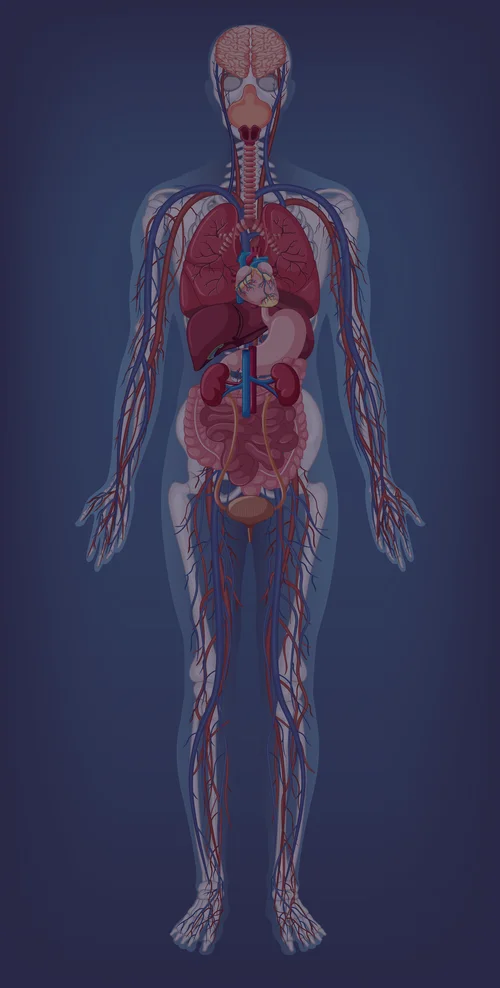
Rangos registrados y advertencias
Predicción dosis–riesgo retirada
La fórmula anterior combinaba ARES con multiplicadores de dosis sin una curva farmacológica validada y generaba severidad incluso a dosis cero. Esa predicción y sus barras dinámicas ya no se calculan. Esta sección no estima riesgo clínico, no recomienda una dosis y no identifica una cantidad segura.
Tabla descriptiva heredada
Estos valores no tienen trazabilidad primaria verificada por campo en el esquema actual. Las etiquetas proceden del registro histórico: «común» o «ligera» no significan recomendada ni segura. No se han transformado en intervalos de seguridad.
Vía registrada: Fumada. No se extrapolan estas cantidades a otras vías.
| Etiqueta histórica | Cantidad registrada |
|---|---|
| Umbral (threshold) | 5 mg |
| Ligera (light) | 15 mg |
| Común (common) | 30 mg |
| Fuerte (strong) | 50 mg |
| Superior (heavy) | 80 mg |
Advertencia conservada del registro
Dosis >80mg fumados producen experiencias extremadamente intensas. El DMT via oral requiere un IMAO (ayahuasca), lo que conlleva riesgos adicionales.
Descripciones generales por sistema
Información estática del registro, pendiente de curación por fuente. No indica qué ocurrirá con una cantidad concreta ni cuantifica la probabilidad o severidad individual. La ausencia de un efecto en esta lista no demuestra ausencia de riesgo.
Cardiovascular
Corto plazo registrado
- Taquicardia
- Hipertensión
- Arritmias
Largo plazo registrado
- Riesgo cardiovascular con uso frecuente
Neurológico
Corto plazo registrado
- Convulsiones (dosis altas)
- Pérdida de coordinación
Largo plazo registrado
- Riesgo de trastorno perceptivo persistente por alucinógenos
Hepático
Largo plazo registrado
- Hepatotoxicidad mínima reportada
Renal
Largo plazo registrado
- Toxicidad renal mínima
Psiquiátrico
Corto plazo registrado
- Episodios psicóticos
- Ansiedad extrema
- Pánico
- Despersonalización
Largo plazo registrado
- Exacerbación de trastornos psiquiátricos preexistentes
- Trastorno de estrés postraumático
Respiratorio
Corto plazo registrado
- Depresión respiratoria (dosis altas)
- Irritación pulmonar (fumado)
Largo plazo registrado
- Daño pulmonar por combustión repetida
Advertencias registradas
- Contraindicado en trastornos psiquiátricos graves
- Evitar en embarazo y lactancia
- No conducir ni operar maquinaria
- Supervision médica requerida en investigación
Combinaciones señaladas en el registro
- IMAO (riesgo de síndrome serotoninérgico sin supervisión)
- ISRS/IRSN (riesgo serotoninérgico)
- Antidepresivos tricíclicos
- Tramadol
- Litio
Modelo ARES calculado: 20 de octubre de 2018
Fuentes de datos de dosificación
Los rangos de dosificación fueron compilados a partir de Goodman & Gilman's (14ª ed.), Rang & Dale (9ª ed.) y publicaciones indexadas en PubMed. Los valores representan promedios poblacionales para la vía de administración principal y no consideran variabilidad individual, tolerancia, peso corporal ni interacciones.