Mescalina
PsicodélicosC32-(3,4,5-trimethoxyphenyl)ethanamine
Efectos
Farmacocinética
Vida media de aproximadamente 6 horas (rango 4-8 horas)
2 horas
6-14 horas
30 minutos - 2 horas (oral)
Oral: absorción rápida, biodisponibilidad alta
Hígado
Renal (60% sin cambios, 40% metabolitos en 24h)
Varios L/kg (amplia distribución tisular)
Cronología farmacocinética
Mecanismo de acción
Agonista parcial del receptor serotoninérgico 5-HT2A, mecanismo principal de su efecto alucinógeno. También actúa sobre 5-HT2B y 5-HT2C. A diferencia del LSD, tiene menor afinidad por receptores dopaminérgicos. Su estructura de feniletilamina le permite interactuar también con receptores adrenérgicos. La activación de 5-HT2A en la corteza visual y prefrontal produce alteraciones perceptuales y cognitivas.
Vida media
Vida media de aproximadamente 6 horas (rango 4-8 horas). La duración total de los efectos psicodélicos es de 8-12 horas.
Toxicidad
La mescalina (25 mg/kg; 66 μg/kg) se inyectó (ip) en ratones 45 min antes de clorpromazina (2.5, 5, 15 mg/kg), tioridazina (10, 30, 45 mg/kg), o clorpromazina-sulfóxido (15 mg/kg). Se observaron excitación, agitación, ligero aumento de la ventilación y sacudidas ocasionales de la cabeza 30 min después de la mescalina y continuaron durante 30-45 min después; la actividad locomotora y el número de eventos de rascado aumentaron significativamente durante este período. La clorpromazina (2.5, 5, 15 mg/kg) y la tioridazina (10, 30, 45 mg/kg) bloquearon parcial o completamente el comportamiento general inducido por mescalina; la clorpromazina-sulfóxido (15 mg/kg) no fue efectiva. Las respuestas aumentadas de rascado y la actividad locomotora inducidas por mescalina fueron antagonizadas por todas las dosis de clorpromazina y tioridazina; a dosis más altas, tanto la clorpromazina (7.5, 15 mg/kg) como la tioridazina (45 mg/kg) indujeron una condición tipo cataléptica e hipotermia marcada. Los niveles tisulares de mescalina, examinados 3 hr después de su administración, fueron aumentados por todas las dosis de clorpromazina y una dosis más alta de tioridazina (45 mg/kg); la clorpromazina-sulfóxido y las dosis más bajas de tioridazina no tuvieron efecto. Para el paciente con un "mal viaje" o reacción de pánico, proporcionar tranquilización gentil y técnicas de relajación en un ambiente tranquilo. Tratar la agitación o estados de ansiedad severa con diazepam o midazolam. Las butirofenonas como haloperidol son útiles a pesar de un pequeño riesgo teórico de disminuir el umbral convulsivo. Tratar convulsiones, hipertermia, rabdomiólisis, hipertensión y arritmias cardíacas si ocurren. /LSD y otros alucinógenos/ Fármacos Específicos y Antídotos: No hay antídoto específico. Dosis sedantes de diazepam pueden aliviar la ansiedad, y dosis hipnóticas pueden inducir sueño por la duración del "viaje". /LSD y otros alucinógenos/ Descontaminación: La mayoría de estos fármacos se toman oralmente en dosis pequeñas, y los procedimientos de descontaminación son relativamente inefectivos y probablemente agraven el malestar psicológico. Considerar el uso de carbón activado
Farmacología
Alcaloide psicodélico feniletilamínico del peyote (Lophophora williamsii) y San Pedro (Echinopsis pachanoi). Produce alteraciones visuales, sinestesia, introspección y experiencias místicas durante 8-12 horas. Menor potencia que el LSD (dosis activa 200-400 mg). Baja toxicidad aguda. Uso ceremonial milenario en culturas indígenas americanas.
Estructura molecular
Datos: PubChem CID 4076 — National Library of Medicine
Efectos en el organismo
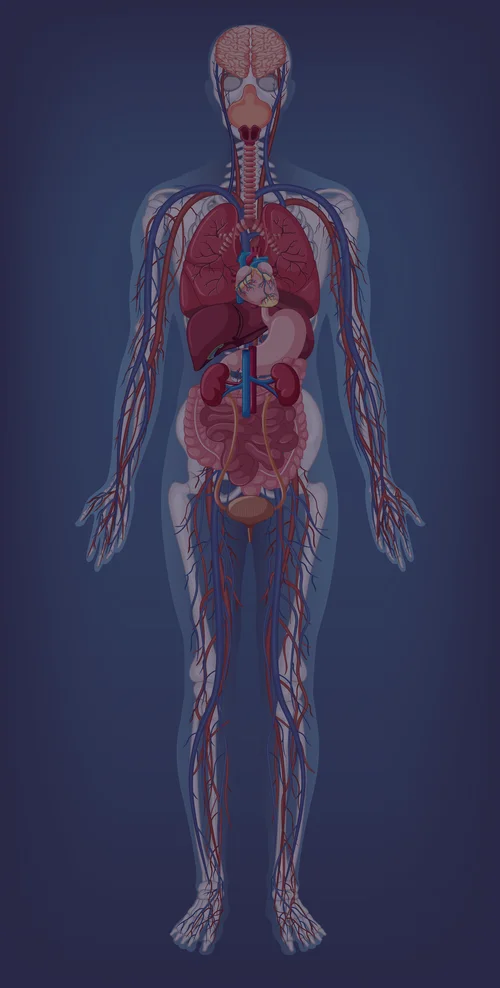
Rangos registrados y advertencias
Predicción dosis–riesgo retirada
La fórmula anterior combinaba ARES con multiplicadores de dosis sin una curva farmacológica validada y generaba severidad incluso a dosis cero. Esa predicción y sus barras dinámicas ya no se calculan. Esta sección no estima riesgo clínico, no recomienda una dosis y no identifica una cantidad segura.
Tabla descriptiva heredada
Estos valores no tienen trazabilidad primaria verificada por campo en el esquema actual. Las etiquetas proceden del registro histórico: «común» o «ligera» no significan recomendada ni segura. No se han transformado en intervalos de seguridad.
Vía registrada: Oral. No se extrapolan estas cantidades a otras vías.
| Etiqueta histórica | Cantidad registrada |
|---|---|
| Umbral (threshold) | 50 mg |
| Ligera (light) | 150 mg |
| Común (common) | 300 mg |
| Fuerte (strong) | 500 mg |
| Superior (heavy) | 700 mg |
Advertencia conservada del registro
Dosis >700mg pueden causar nauseas severas, confusion extrema y riesgo de psicosis temporal. El inicio de efectos puede tardar 2+ horas.
Descripciones generales por sistema
Información estática del registro, pendiente de curación por fuente. No indica qué ocurrirá con una cantidad concreta ni cuantifica la probabilidad o severidad individual. La ausencia de un efecto en esta lista no demuestra ausencia de riesgo.
Cardiovascular
Corto plazo registrado
- hipertensión
- arritmias cardíacas
- taquicardia
Largo plazo registrado
- riesgo cardiovascular con uso repetido
Neurológico
Corto plazo registrado
- convulsiones (raro)
- agitación
- hiperactividad locomotora
Largo plazo registrado
- trastornos perceptuales persistentes
Hepático
Corto plazo registrado
- sobrecarga metabólica
Largo plazo registrado
- hepatotoxicidad potencial con uso crónico
Renal
Corto plazo registrado
- rabdomiólisis (raro)
Largo plazo registrado
- daño renal por rabdomiólisis repetida
Psiquiátrico
Corto plazo registrado
- bad trip
- crisis de pánico
- ansiedad severa
- episodios psicóticos
Largo plazo registrado
- flashbacks
- trastorno de ansiedad
- despersonalización
Respiratorio
Corto plazo registrado
- hiperventilación leve
Advertencias registradas
- Evitar en pacientes con historial de psicosis
- Riesgo de hipertermia
- Ambiente controlado necesario
- Supervisión médica recomendada
Combinaciones señaladas en el registro
- antipsicóticos fenotiacínicos
- inhibidores MAO
- estimulantes
- alcohol
- benzodiacepinas (pueden prolongar efectos)
Modelo ARES calculado: 20 de octubre de 2018
Fuentes de datos de dosificación
Los rangos de dosificación fueron compilados a partir de Goodman & Gilman's (14ª ed.), Rang & Dale (9ª ed.) y publicaciones indexadas en PubMed. Los valores representan promedios poblacionales para la vía de administración principal y no consideran variabilidad individual, tolerancia, peso corporal ni interacciones.